
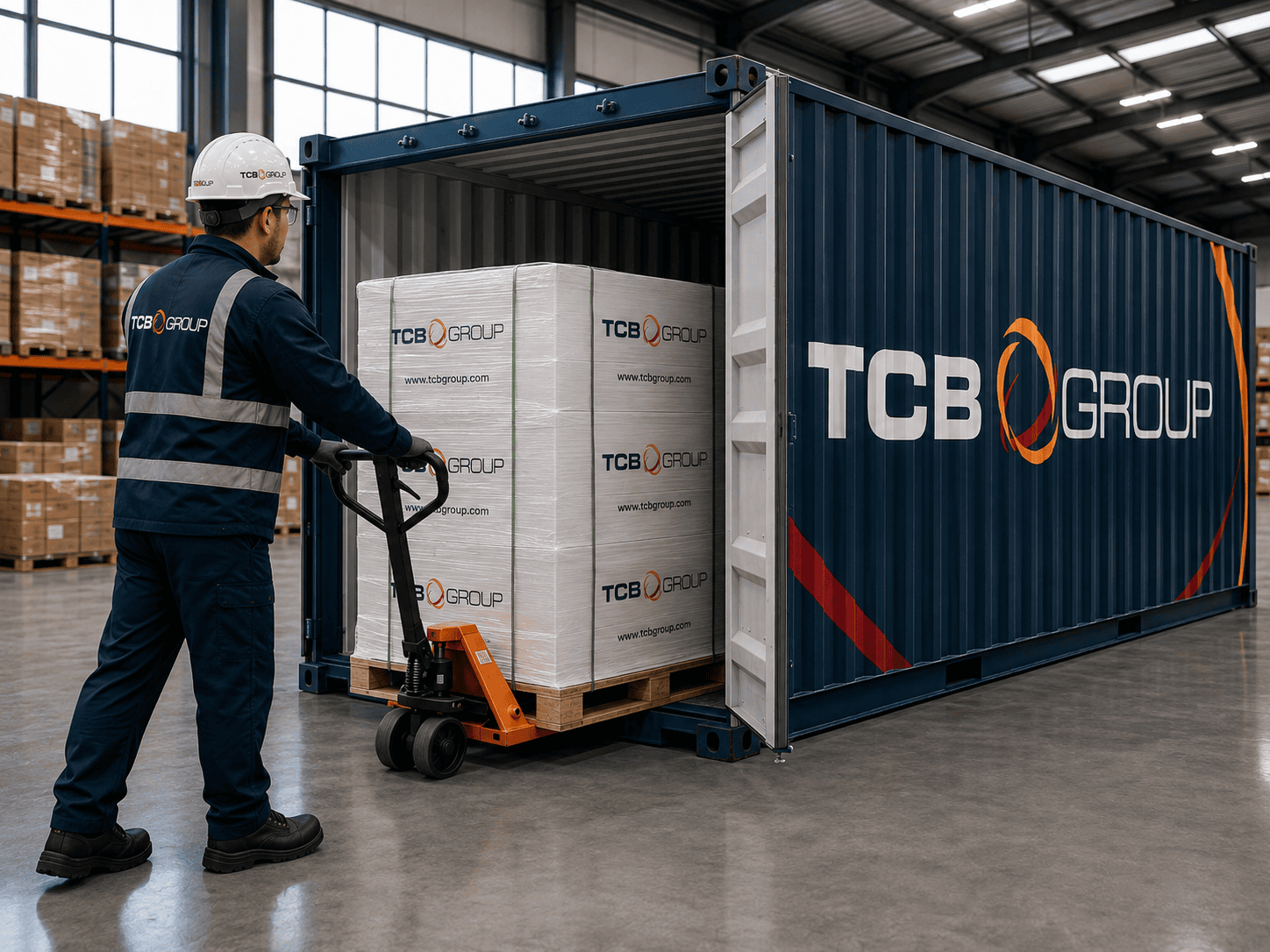
This guide explains how Irish shipping works across sea, road, air and rail freight, how Dublin and Belfast warehousing supports cargo flows, what businesses should consider when choosing a transport mode, and how TCB Group connects Ireland with global markets.
Table of Contents
Irish Shipping Solutions: A Practical Guide to Road, Air, Rail and Sea Freight
Irish shipping is rarely about choosing one transport mode in isolation. A shipment may arrive by sea, clear customs, move through a local warehouse and complete its journey by road. Another may travel from China by rail before being transferred into Ireland for final delivery.
The right solution depends on the cargo, route, urgency, shipment size and total door-to-door cost. Understanding the strengths of each freight mode makes it easier to choose a service that fits the supply chain rather than simply selecting the cheapest headline rate.
TCB Group has operated in Ireland since 2007, with operations in Dublin and Belfast. In the Republic of Ireland, TCB Group is a neutral wholesale freight partner for Irish shipping agents, providing the services and infrastructure they need to support their own customers.
What Does Irish Shipping Involve?
Why is a multimodal approach often required?
Irish shipping connects an island economy with suppliers and customers across Europe, Asia, North America and beyond. Because most international shipments have an inland leg, freight often combines more than one transport mode.
Sea freight suits larger volumes and cost-sensitive cargo. Road freight provides flexible movement across Ireland, Great Britain and mainland Europe. Air freight prioritises speed, while rail freight from China can provide a useful middle ground between air and sea.
A practical freight plan considers the complete movement from origin collection through customs, warehousing and final delivery. That broader view can prevent a low headline freight rate from becoming an expensive door-to-door solution.
How do customs differ across the island of Ireland?
The Republic of Ireland and Northern Ireland sit within different customs arrangements, so cross-border and UK movements need to be planned correctly. Irish Revenue provides official guidance for businesses importing and exporting goods, while GOV.UK maintains current guidance for movements into, out of and through Northern Ireland.
When Is Sea Freight the Best Option for Irish Companies?
When should you choose LCL or FCL sea freight?
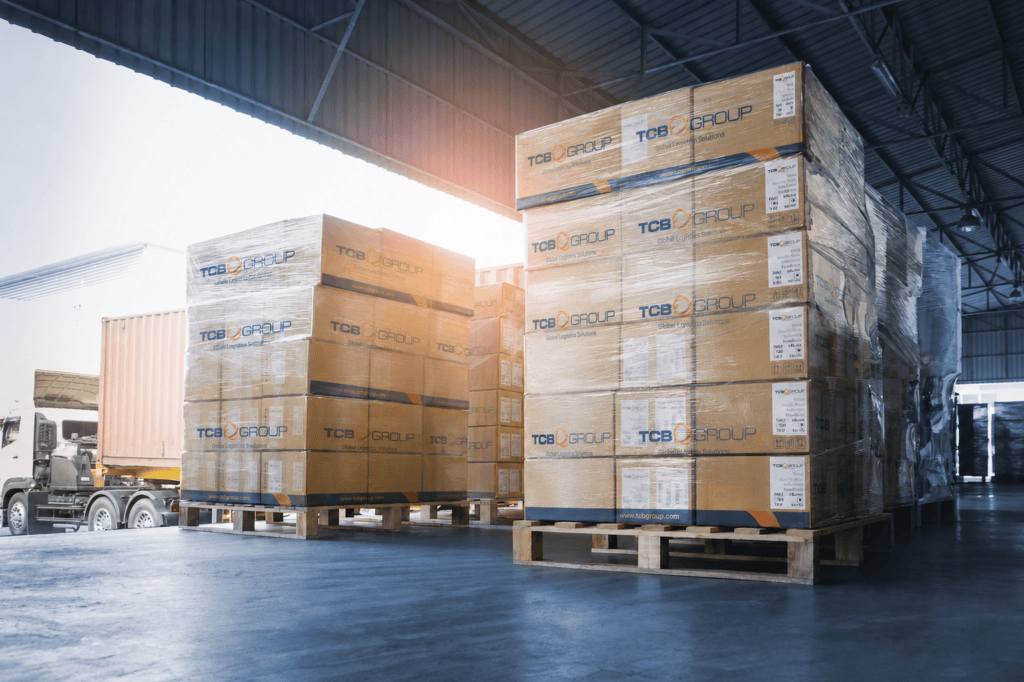
Sea freight remains central to Irish shipping because it can move everything from individual pallets to full containers and oversized project cargo.
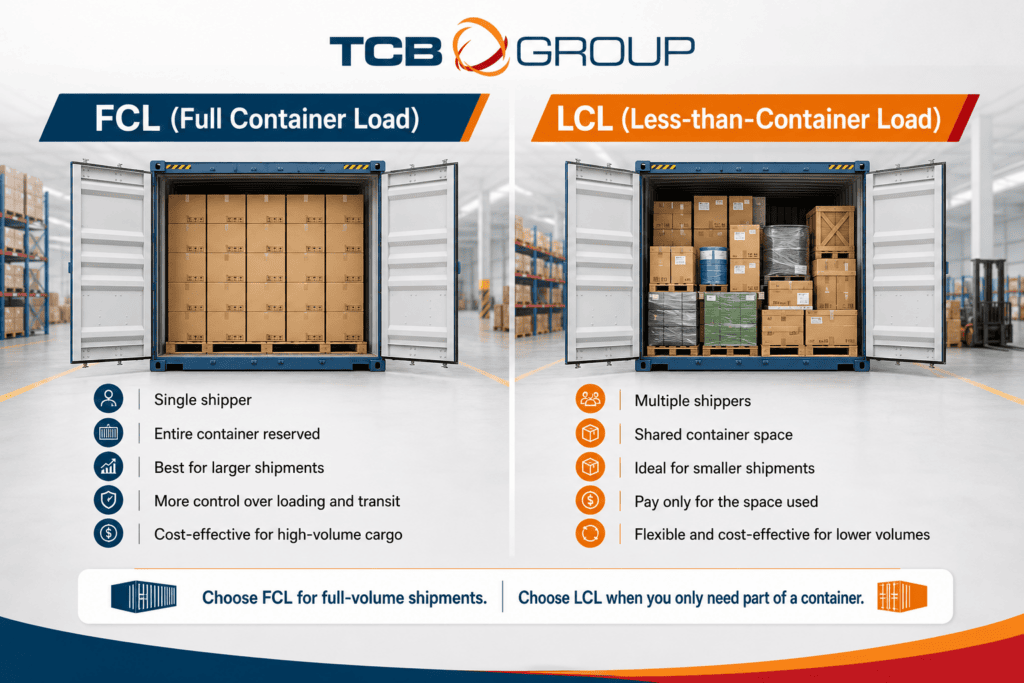
Less Than Container Load, or LCL, allows several consignments to share container space. It is often effective for palletised or lower-volume freight because the shipper does not need to pay for an entire container. Full Container Load, or FCL, can become more economical as volumes rise or when cargo benefits from dedicated container use.
The better option depends on volume, weight, handling needs, sailing frequency and the total cost of collection, port handling, customs and delivery.
How does TCB Group support LCL sea freight in Ireland?
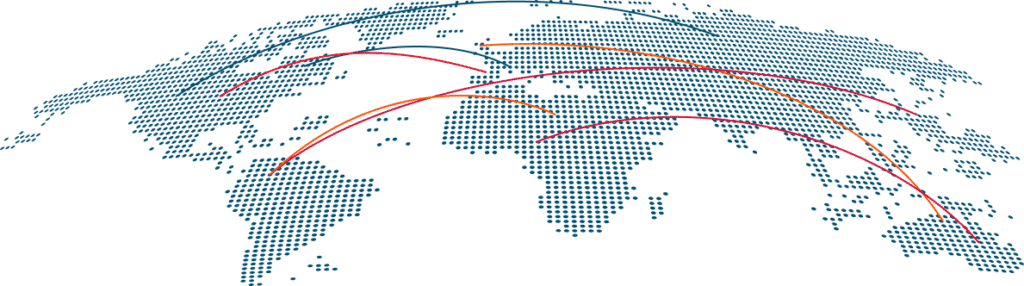
TCB Group operates in-house LCL consolidations on key global trade lanes through Dublin and Belfast, supported by hubs including Qingdao, Colombo, Singapore, Rotterdam and New York. This gives Irish shipping agents strong connectivity across Asia, Europe, the Americas, Africa and Australasia.
Since 2020, TCB Group has represented the CWT Globelink freight consolidation network in Ireland, complementing its own consolidation infrastructure with established LCL partners and reliable service options worldwide.
The model is strictly neutral in the Republic of Ireland. TCB Group supplies wholesale freight services to shipping agents and does not compete for their customers.
“Our agent partners trust us to provide the services they need for their customers, and we do not take that trust for granted.” said Darren Green, Managing Director of TCB Group “We are determined to keep disrupting the status quo within the neutral shipping market though a positive, proactive and innovative approach. Ultimately, it’s about giving agents the services they need to support their customers with confidence.”
Related service: TCB Group Freight Consolidation.
How Does Road Freight Connect Ireland with the UK and Europe?
When is European groupage the right choice?
Road freight is particularly useful for palletised cargo moving between Ireland and European markets. Groupage and Less Than Truckload services allow smaller consignments to share trailer capacity, while full-load and specialist transport support larger or more complex shipments.
TCB Group provides regular road freight groupage between Ireland and destinations including Belgium, the Netherlands, Luxembourg, Germany, Poland, Switzerland, Austria, Czechia, Slovakia, Slovenia, Hungary and the Balkan region. Services can include collection in Ireland, customs management and onward delivery.
Cargo arriving into Dublin or Belfast can also be transferred into the appropriate road service for final delivery, making road freight an important part of many multimodal Irish shipping movements.
What should you consider for Ireland-UK road movements?
Customs requirements can affect timing. Documentation, commodity information, origin and the status of the goods should be confirmed before collection, particularly for movements involving Great Britain and Northern Ireland.
Related service: TCB Group Road Freight Services.
When Should Irish Shipping Use Air Freight?
What types of cargo are best suited to air freight?
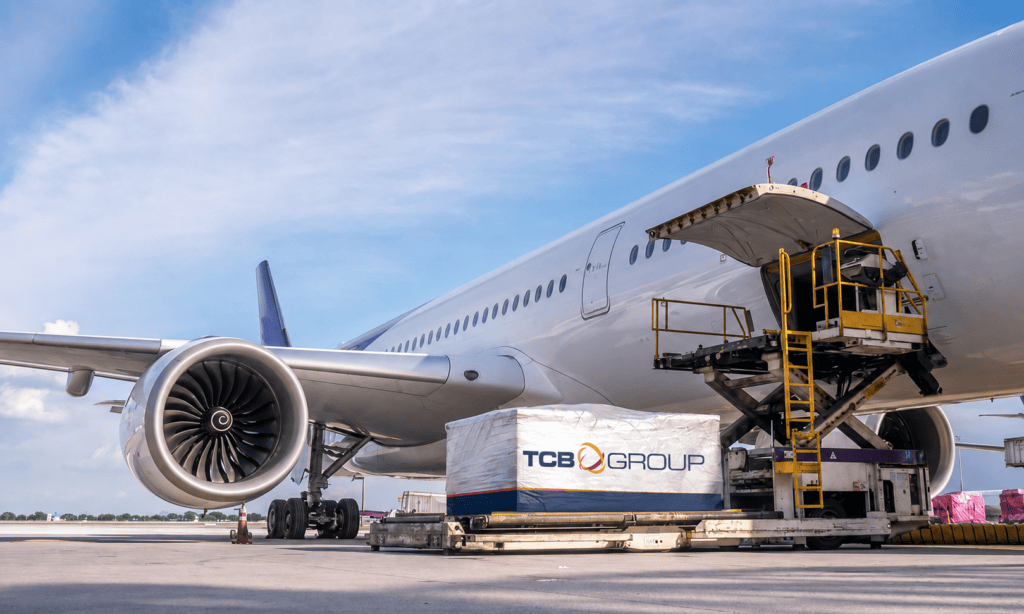
Air freight is generally chosen when speed, security or shipment value outweighs the higher transport cost. Typical examples include urgent spare parts, time-sensitive materials, high-value goods, perishables and specialist cargo.
TCB Group is IATA-accredited across the Republic of Ireland, Northern Ireland and Great Britain. Its air freight network provides access to more than 700 international airports and around 250 accredited airlines, supporting consolidated shipments through to full charter requirements.
TCB Group also operates a consolidated air cargo gateway between Manchester and Singapore, with onward connectivity across the Asia-Pacific region.
Why compare air freight with other modes?
Urgency should be assessed against the complete supply-chain requirement. Comparing air with rail or sea can help determine whether the additional cost genuinely creates commercial value.
Related service: IATA Accredited Air Freight Services.
Where Does Rail Freight Fit into Irish Shipping?
Why use rail freight from China to Ireland?
Rail freight is an alternative for import cargo that needs to move faster than conventional sea freight but does not justify the cost of air freight.
TCB Group operates regular consolidated rail freight from China, departing from the Xi’an rail hub and connecting cargo from across mainland China. The service is relevant to palletised commercial shipments where predictable replenishment and a balance between cost and transit time matter.
Rail is not suitable for every commodity, and restrictions can apply to dangerous goods, medication and human foodstuffs. The cargo and documentation should therefore be checked before booking.
For suitable shipments, rail adds another practical option to the Irish shipping mix rather than forcing cargo into either air or sea.
Related service: TCB Group Freight Consolidation.
How Does Warehousing in Dublin and Belfast Support Irish Shipping?
What role does a CFS or warehouse play?
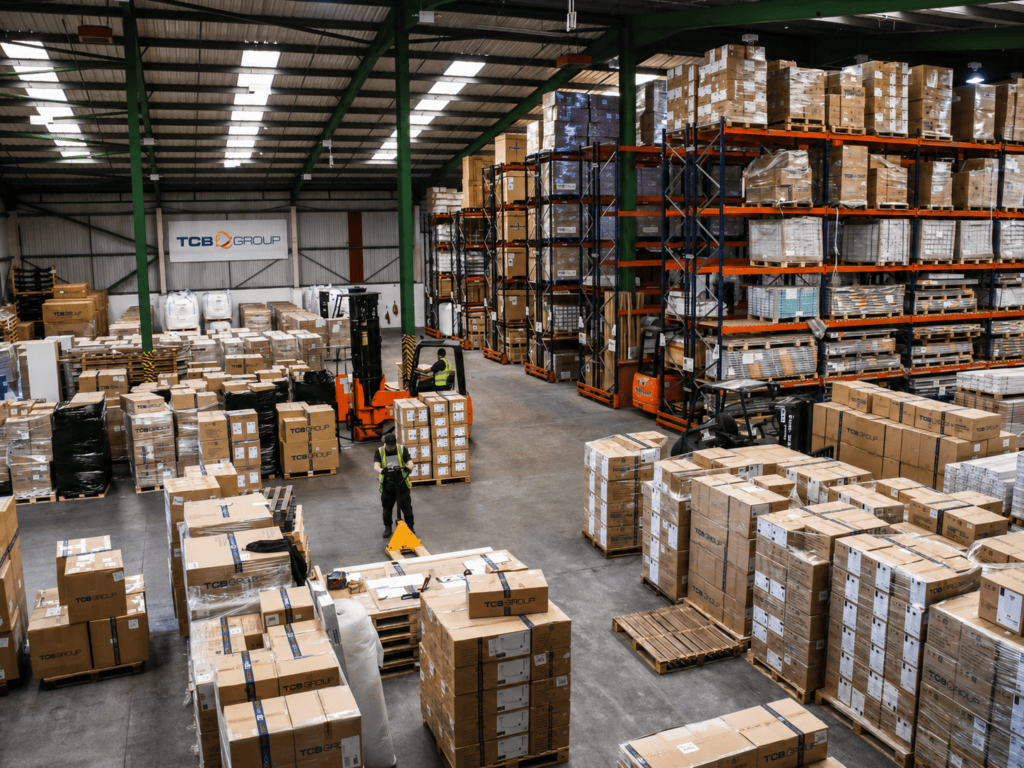
Warehousing is more than storage. A Container Freight Station, or CFS, can receive cargo, check documentation, consolidate shipments, load or unload containers and prepare goods for collection or onward delivery.
TCB Group operates freight handling and CFS capabilities across Dublin and Belfast. These facilities support sea, road and air freight movements and give Irish shipping agents local infrastructure on both sides of the border.
For LCL imports, in-house handling provides greater control over devanning and cargo availability. TCB Group targets a maximum three-day CFS turnaround following arrival, helping agents plan collection and final delivery with greater certainty.
Why does integrated warehousing matter?
Every additional hand-off creates another point where communication, timing or cargo control can weaken. Integrating the international movement with warehousing, customs and onward transport can reduce fragmentation.
Related service: TCB Group Warehousing Services.
How Should You Choose the Right Irish Shipping Method?
There is no single best transport mode for every shipment. The right starting point is to compare the cargo and commercial requirement.
| Requirement | Likely starting point |
| Lower-cost international movement for larger volumes | Sea freight |
| Smaller palletised ocean shipments | LCL sea freight |
| Regular pallet movements between Ireland and Europe | Road groupage or LTL |
| Urgent, high-value or time-sensitive cargo | Air freight |
| China imports needing a balance of speed and cost | Rail freight |
| Complex origin-to-destination movements | Multimodal freight |
Before booking, provide accurate origin and destination details, package numbers, dimensions, gross weight, commodity and Incoterm. Identify dangerous goods, fragile cargo, oversized freight, non-stackable pallets or other special requirements.
The most useful Irish shipping quotation compares the complete door-to-door movement. Collection, freight, customs, warehousing, handling and delivery should all be considered before deciding which option offers the best value.
Why Use TCB Group for Irish Shipping?
TCB Group brings sea freight, road freight, air freight, rail freight, customs support and warehousing together through operations in Dublin and Belfast and a wider network that includes the UK and Singapore.
For Irish shipping agents, the key distinction is neutrality. TCB Group operates as a wholesale freight partner in the Republic of Ireland, equipping agents with competitive services they can provide to their own customers without creating a commercial conflict.
The service offering includes global LCL imports and exports, IATA-accredited air freight, LCL rail freight from China, European road groupage, cross-border support, customs management and freight handling facilities in Dublin and Belfast.
TCB Group also provides an online booking and tracking portal for LCL freight, allowing agents to make bookings, upload commercial documents, follow cargo updates and access shipping documents in one place.
For agents looking to strengthen their Irish shipping offering, the objective is simple: more reliable route options, stronger operational control and a single partner capable of supporting freight across multiple modes.
Contact TCB Group to discuss your next Irish shipping requirement.
Frequently Asked Questions
What is the best way to ship freight to or from Ireland?
The best option depends on shipment size, urgency, route and budget. Sea freight suits larger or cost-sensitive loads, road freight is strong for European movements, air prioritises speed, and rail can offer a middle ground for suitable China imports.
What is the difference between LCL and FCL shipping to Ireland?
LCL combines several smaller consignments in one container, so each shipment uses only part of the space. FCL gives one shipper dedicated container use. The best choice depends on cargo volume, handling requirements and total door-to-door cost.
Can freight be shipped from China to Ireland by rail?
Yes. Rail freight can provide an alternative to sea and air for suitable commercial cargo from China. TCB Group offers consolidated rail services from the Xi’an rail hub, connecting cargo from across mainland China into onward services for Ireland.
Do goods moving between Ireland and the UK require customs clearance?
Requirements depend on the route, origin, destination and status of the goods. Movements involving the Republic of Ireland, Great Britain and Northern Ireland can follow different procedures, so current Irish Revenue and GOV.UK guidance should be checked before shipping.
Can TCB Group handle warehousing in Dublin and Belfast?
TCB Group provides freight handling and CFS capabilities through Dublin and Belfast, supporting consolidation, deconsolidation, cargo receiving and onward transport. Integrating warehousing with freight and customs can reduce hand-offs and give Irish shipping agents greater control over each movement.
Does TCB Group work directly with Irish importers and exporters?
In the Republic of Ireland, TCB Group operates as a neutral wholesale freight partner to Irish shipping agents rather than competing directly for their customers. Agents can access TCB Group’s routes, infrastructure and global network while protecting their own commercial relationships.